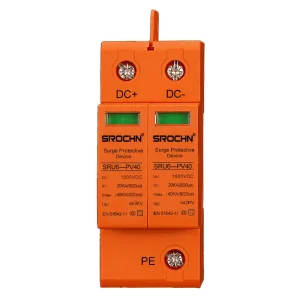
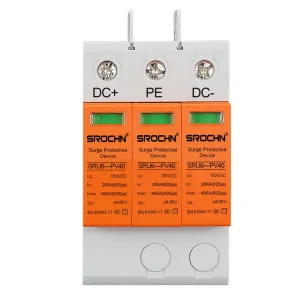
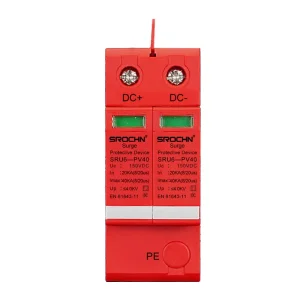
In the rapidly evolving landscape of renewable energy, direct current (DC) power distribution systems have become the backbone of solar photovoltaic (PV) generation, battery energy storage systems (BESS), and electric vehicle (EV) charging infrastructures. However, these systems are uniquely vulnerable to transient overvoltages caused by direct lightning strikes, indirect electromagnetic coupling, and grid switching operations.
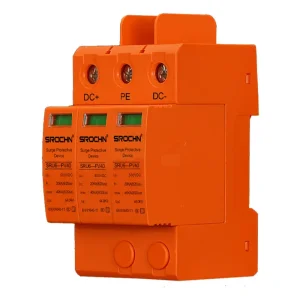
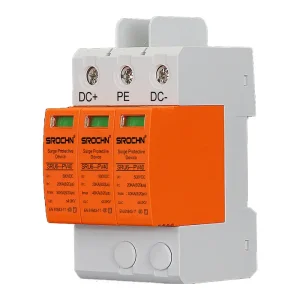
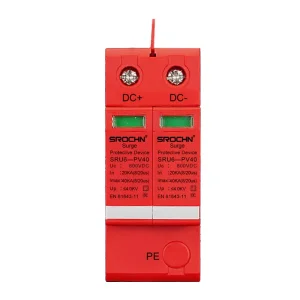
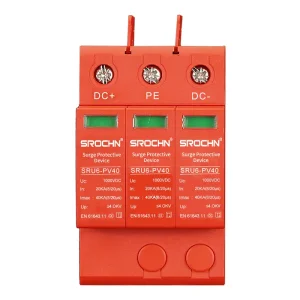
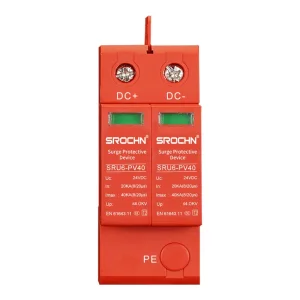
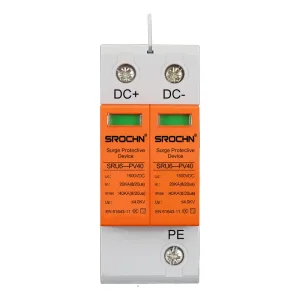
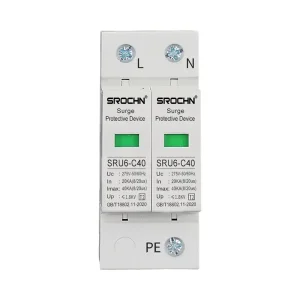
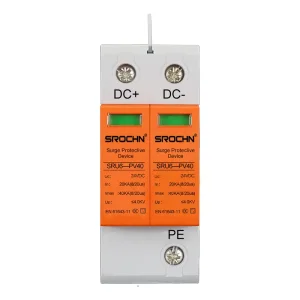
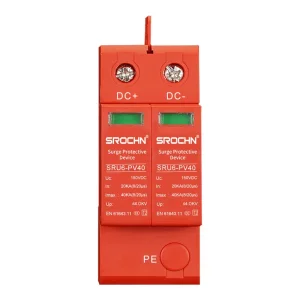
A Type 2 (T2) DC Surge Protective Device (SPD) with a 20kA nominal discharge current (In) is engineered to protect low-voltage electrical installations against these high-energy surges. Unlike alternating current (AC) systems, DC circuits lack a natural zero-crossing point, making arc extinguishing exceptionally difficult when a surge occurs. This requires highly specialized thermal disconnection technology and robust metal oxide varistors (MOVs) to clamp overvoltages safely without causing catastrophic system failures or electrical fires.
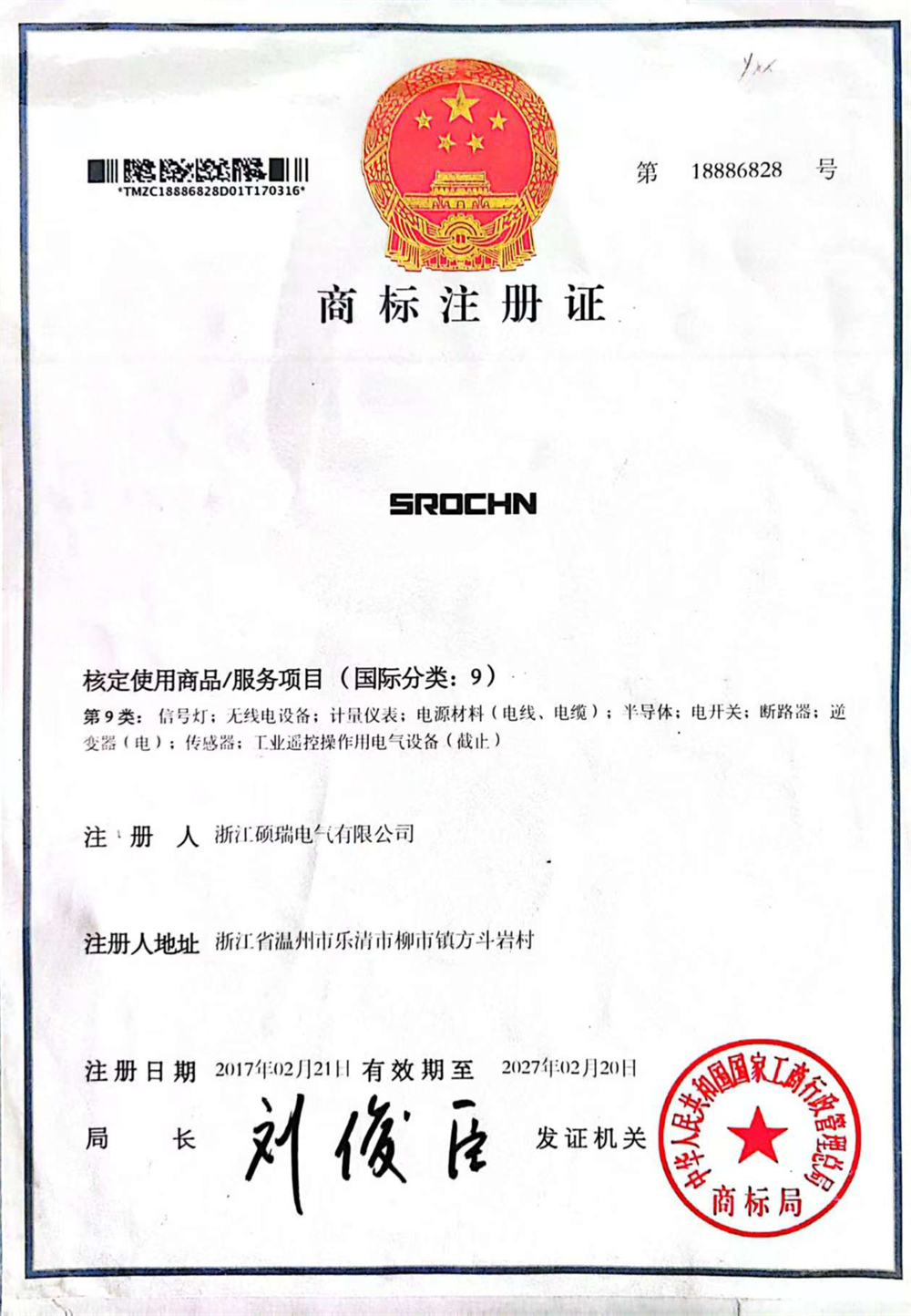
As a premier manufacturer, Zhejiang Shuorui Electric Co., Ltd. designs and manufactures state-of-the-art DC SPDs that meet the rigorous demands of global industrial standards, ensuring system longevity and operational continuity.
Understanding the electrical parameters of a T2 20kA DC SPD is crucial for system integrators and electrical engineers. The device is designed to limit transient voltages to a level that downstream electronic components can withstand (known as the Voltage Protection Level, $U_p$). Below is the engineering blueprint of our high-performance DC SPD series:
| Parameter / Specification | Technical Value / Standard | Engineering Significance |
|---|---|---|
| Nominal Discharge Current ($I_n$) | 20 kA (8/20 µs waveform) | The surge current the device can withstand repeatedly (typically 15 times) without degradation. |
| Maximum Discharge Current ($I_{max}$) | 40 kA (8/20 µs waveform) | The absolute maximum single-event surge current the SPD can safely divert. |
| Voltage Protection Level ($U_p$) | ≤ 2.0 kV to 4.5 kV (depending on system voltage) | The residual voltage remaining across the SPD terminals during a surge event. Lower is safer. |
| Max. Continuous Operating Voltage ($U_{cpv}$) | 500VDC, 800VDC, 1000VDC, 1500VDC | The maximum steady-state DC voltage that can be continuously applied to the SPD. |
| Response Time ($t_A$) | < 25 nanoseconds | Ultra-fast clamping speed to protect sensitive microprocessors and inverter IGBTs. |
| Compliance Standards | IEC 61643-31 / EN 50539-11 | Specifically harmonized standards for low-voltage surge protective devices in PV systems. |
Equipped with a high-precision thermal release device that isolates the varistor from the DC circuit in the event of thermal runaway, preventing persistent DC arcing and potential fire hazards.
Features a clear visual window (Green = Normal, Red = Replace) and optional dry-contact remote signaling terminals for seamless integration into SCADA monitoring systems.
Allows rapid cartridge replacement without de-wiring the entire base unit, minimizing system downtime and maintenance costs during critical operations.
As global energy systems transition to higher voltages and smarter grids, the technology behind surge protection must evolve. Zhejiang Shuorui Electric Co., Ltd. is actively pioneering the next generation of DC SPDs through dedicated research and development.
The future of surge protection lies in predictive maintenance. Our upcoming smart SPD line integrates micro-sensors that monitor leakage current, varistor temperature, and the cumulative number of surge events. Using RS485 Modbus or wireless LoRaWAN protocols, these devices transmit real-time health status to central control rooms, allowing operators to replace degrading modules *before* a catastrophic failure occurs.
Utility-scale solar farms are rapidly shifting from 1000VDC to 1500VDC architectures to reduce balance-of-system (BOS) costs. Our engineering team has optimized the internal structure of our T2 SPDs to handle higher continuous operating voltages while maintaining a low voltage protection level ($U_p$), ensuring compatibility with the latest high-efficiency central and string inverters.
In alignment with global RoHS and REACH directives, Shuorui is researching lead-free varistor formulations and halogen-free, high-flammability-rated (UL94 V-0) plastics for our enclosures. This ensures that our products are not only highly reliable but also environmentally sustainable throughout their lifecycle.
Over 8% of Shuorui's annual revenue is reinvested directly into our high-voltage testing laboratory in Liushi, Wenzhou, enabling us to simulate lightning impulses up to 100kA and conduct continuous thermal stability testing.
Different industries present unique electrical environments. A one-size-fits-all approach is insufficient for high-stakes industrial applications. Shuorui provides comprehensive, customized surge protection schemes across key sectors:
Installed inside combiner boxes and DC distribution panels of string inverters. Our 1000VDC and 1500VDC T2 SPDs protect sensitive MPPT circuits from induced overvoltages caused by lightning strikes on the solar array field.
BESS containers feature dense battery racks connected to high-power bidirectional inverters. Our SPDs prevent transient surges from damaging battery management systems (BMS) and control units, securing energy storage reliability.
DC fast chargers (Level 3) convert AC grid power to high-voltage DC to charge vehicle batteries directly. Our SPDs are integrated into the DC output stage to safeguard both the charger electronics and the connected electric vehicle.
Located in Liushi, Wenzhou, Zhejiang—the recognized "Electrical Capital of China"—Zhejiang Shuorui Electric Co., Ltd. leverages an unparalleled industrial ecosystem. This strategic location gives us direct access to high-grade raw materials, specialized components, and a highly skilled engineering workforce, allowing us to maintain a highly resilient supply chain.
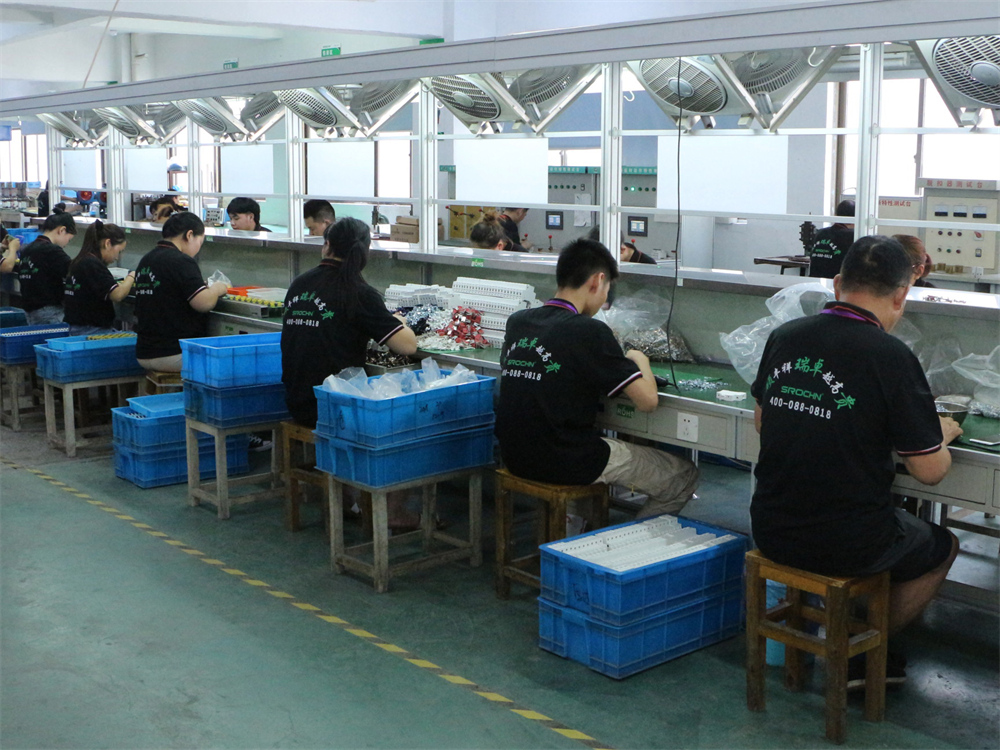
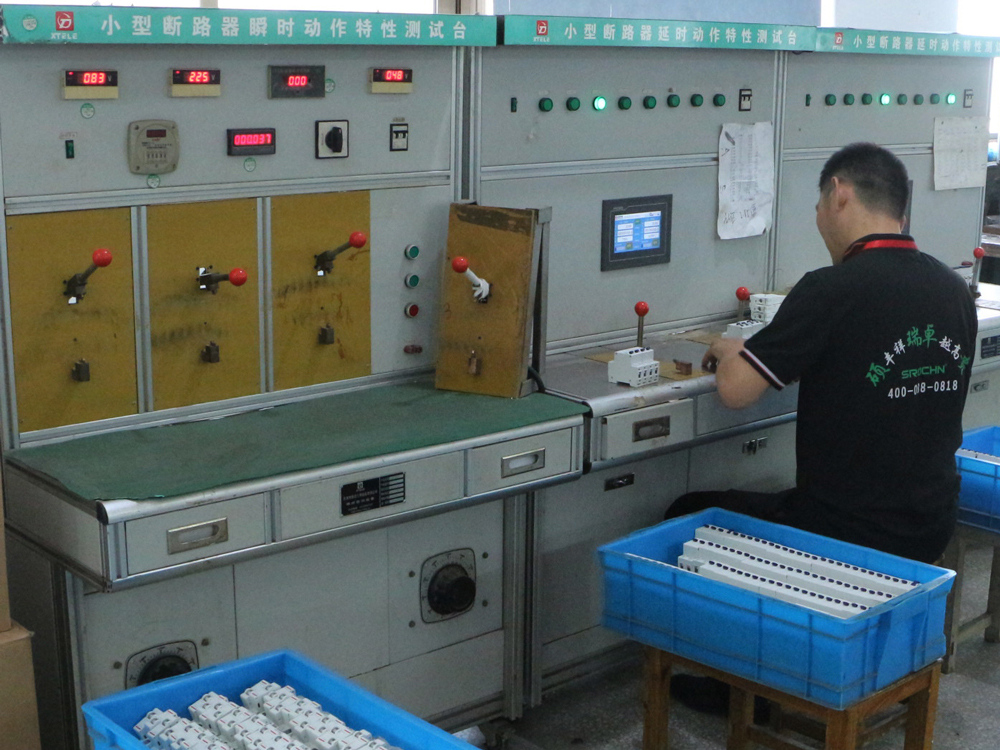
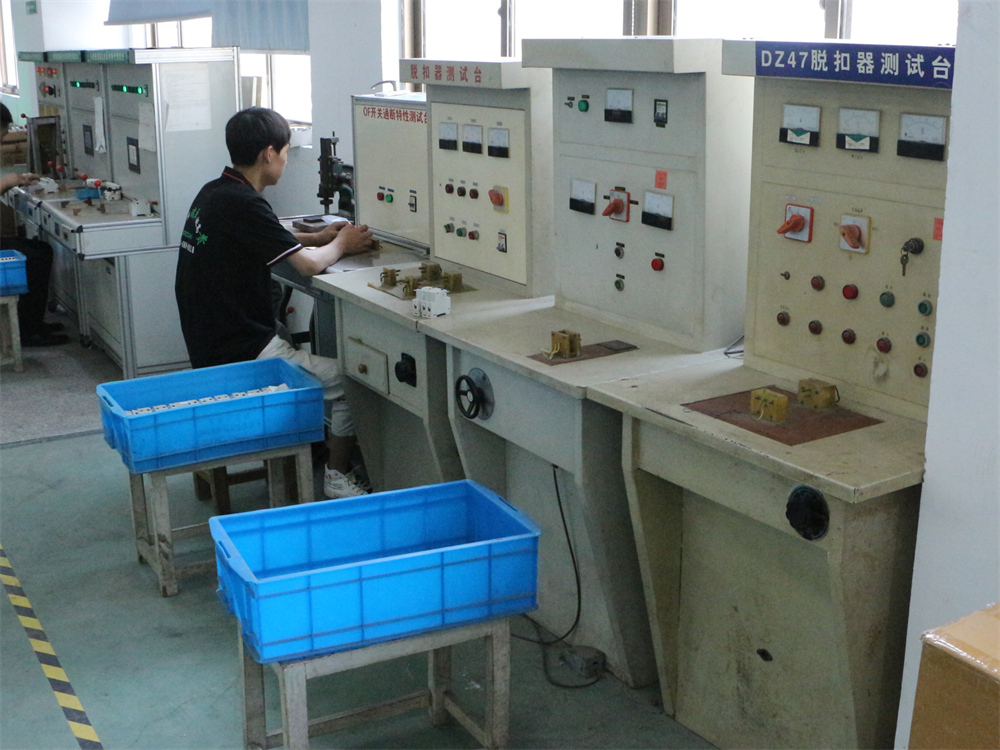
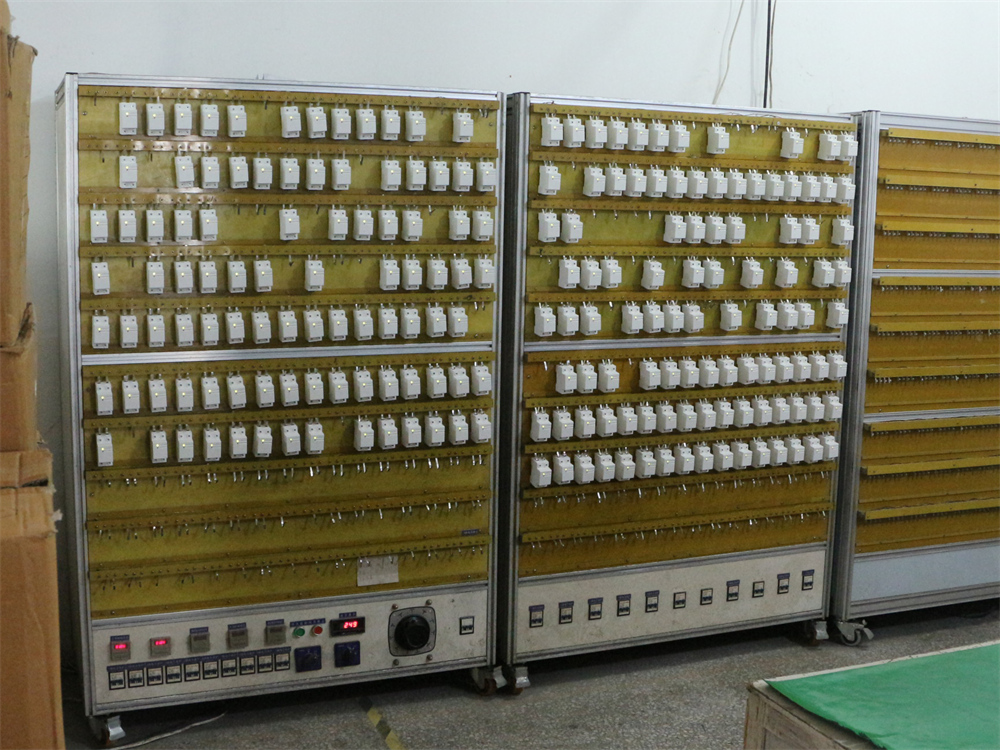
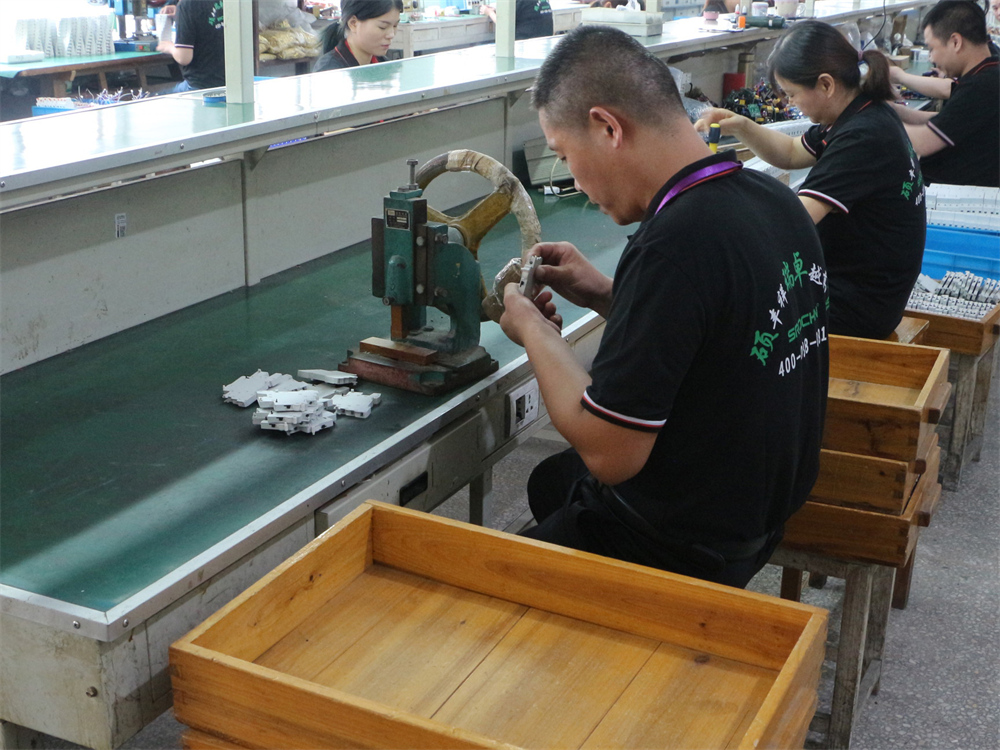
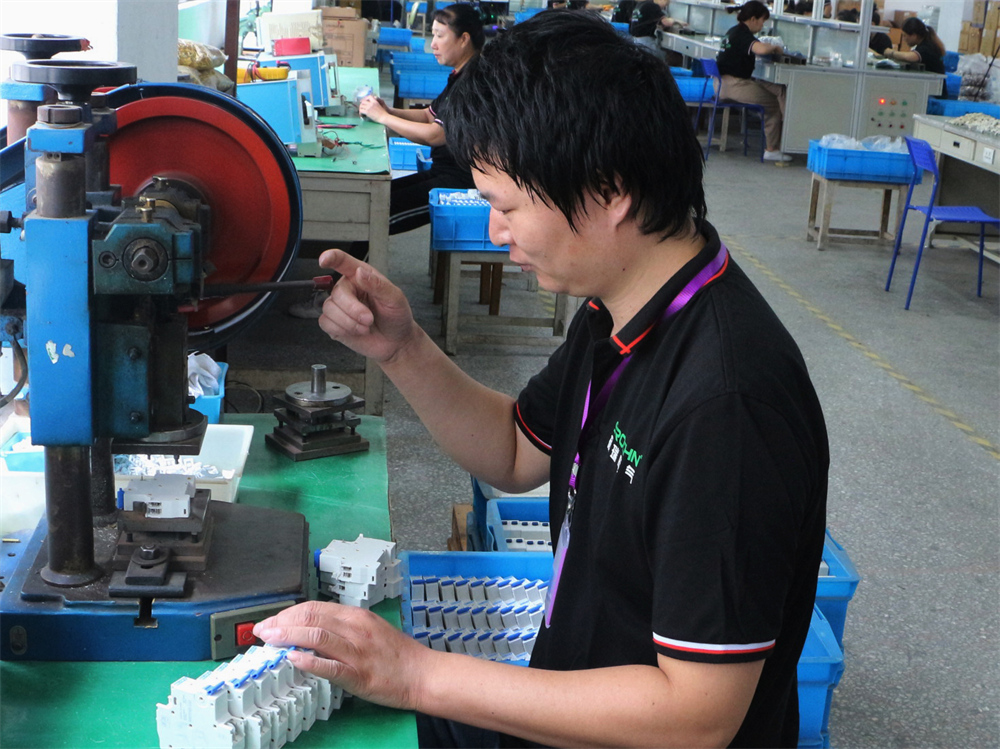
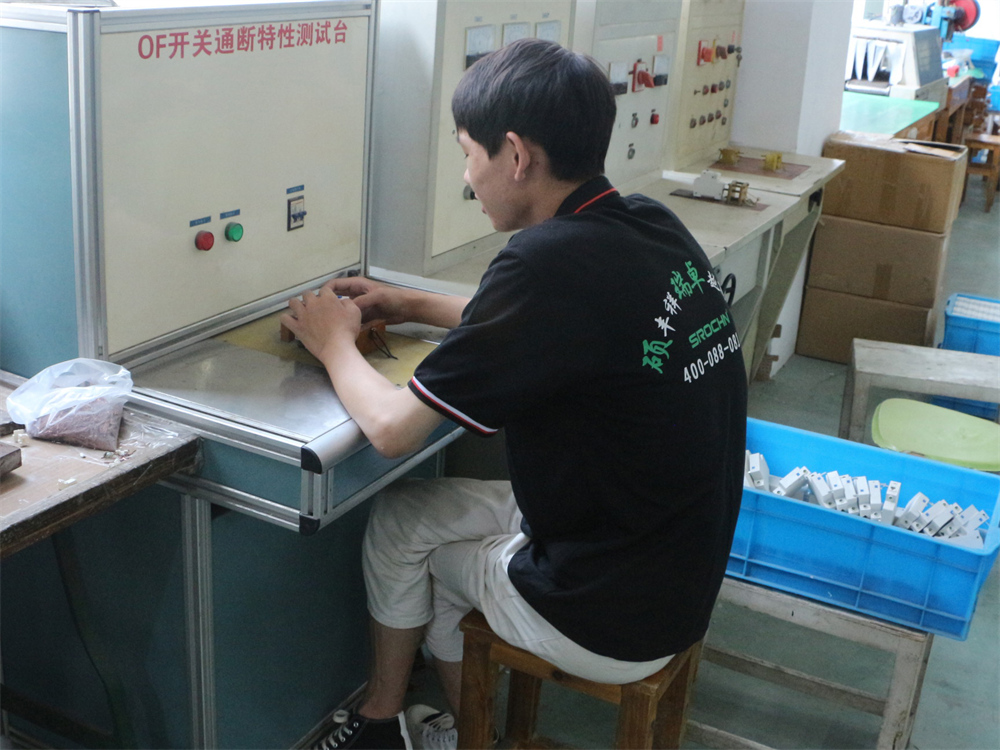
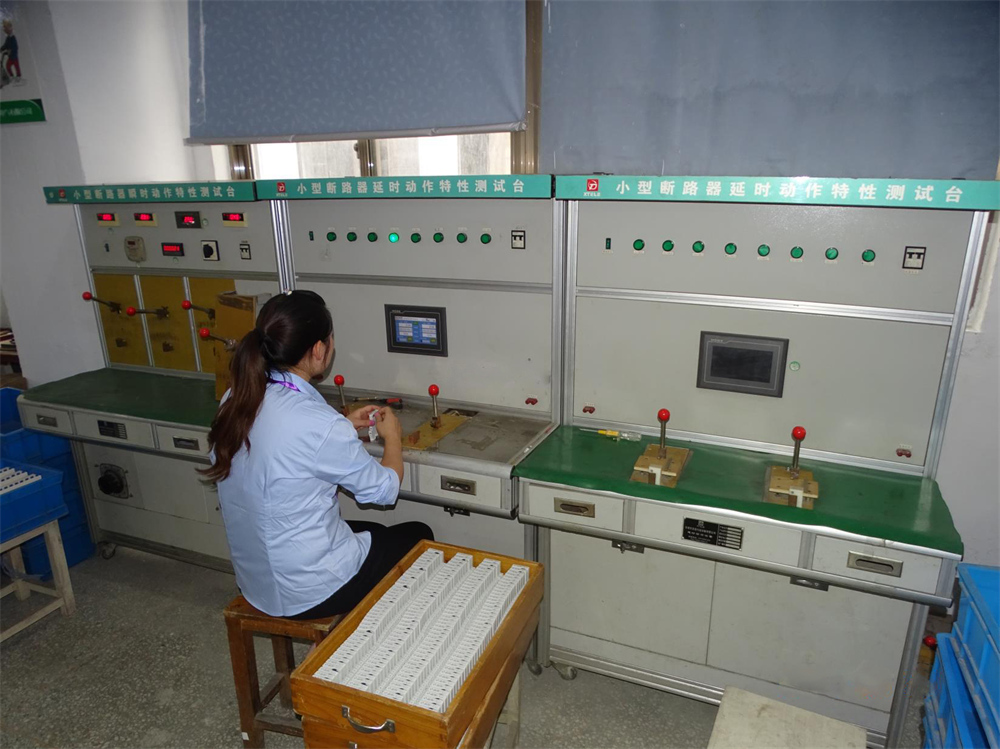
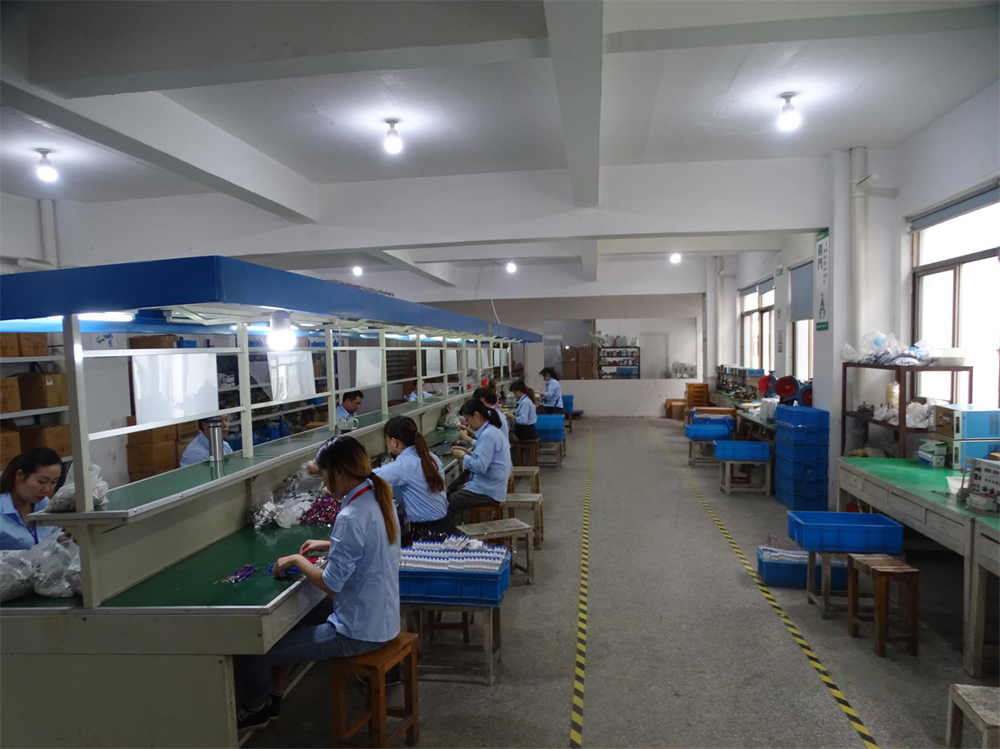
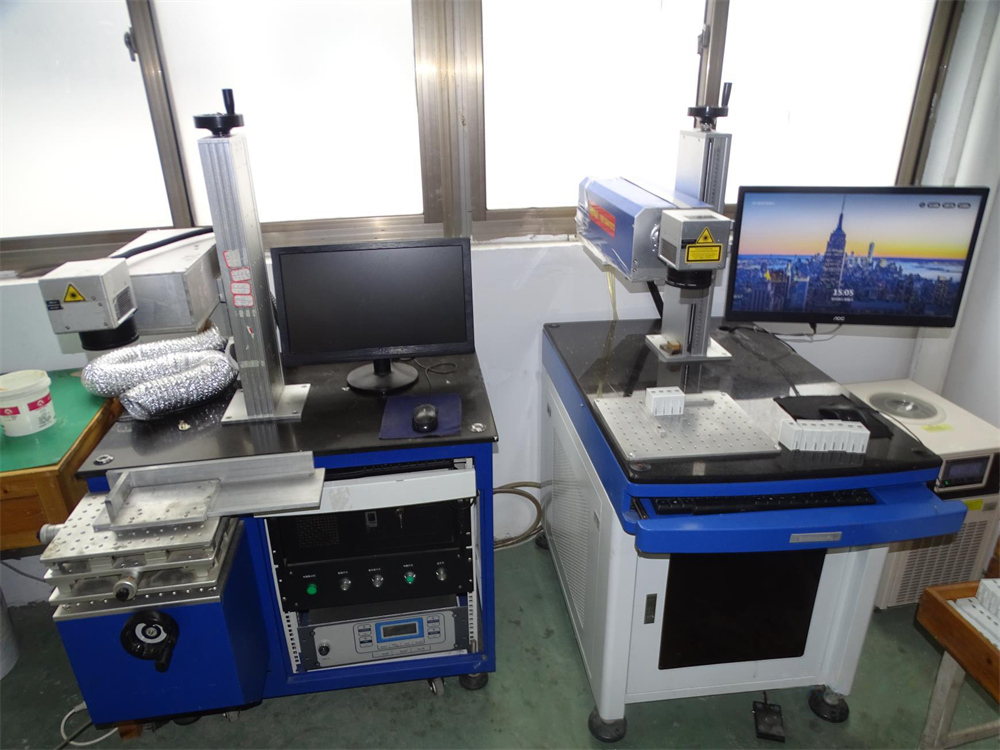
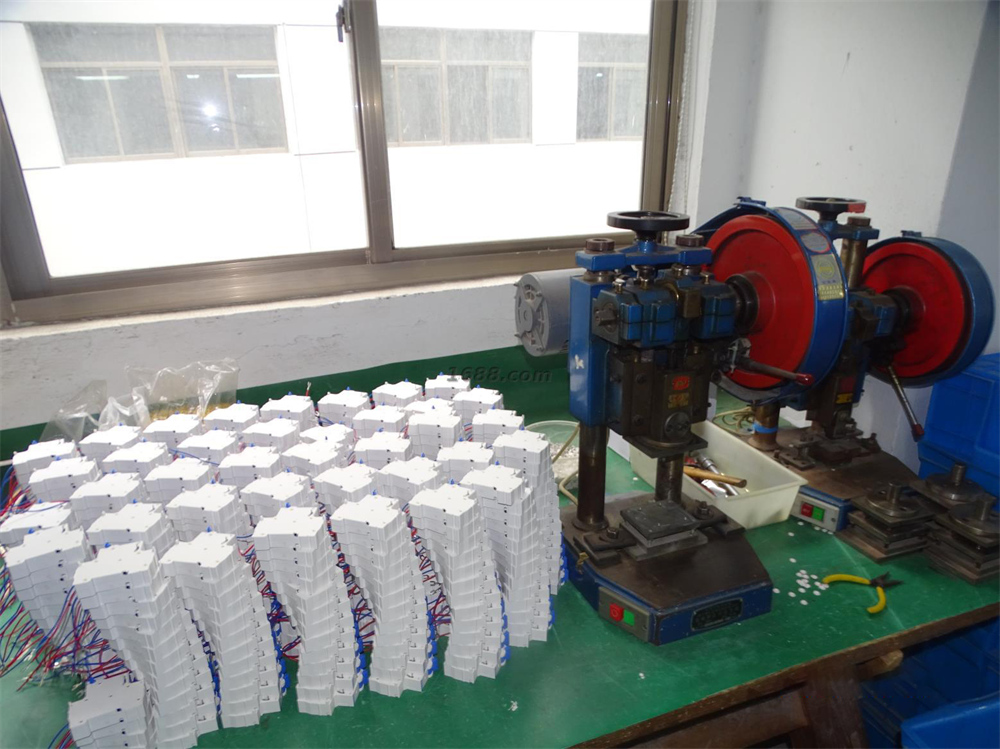
Our manufacturing facility operates under strict ISO9001 Quality Management System guidelines. By implementing semi-automated assembly lines, automated optical inspection (AOI), and 100% end-of-line electrical testing, we eliminate human error and guarantee that every single SPD leaving our factory meets the exact specifications promised to our clients.
Our business philosophy is simple yet uncompromising: "the most cutting-edge technology, the best quality, the most sincere service, and the most favorable price." We offer robust OEM and ODM capabilities, allowing global brands to customize housing colors, labeling, and technical parameters to fit their local market requirements.

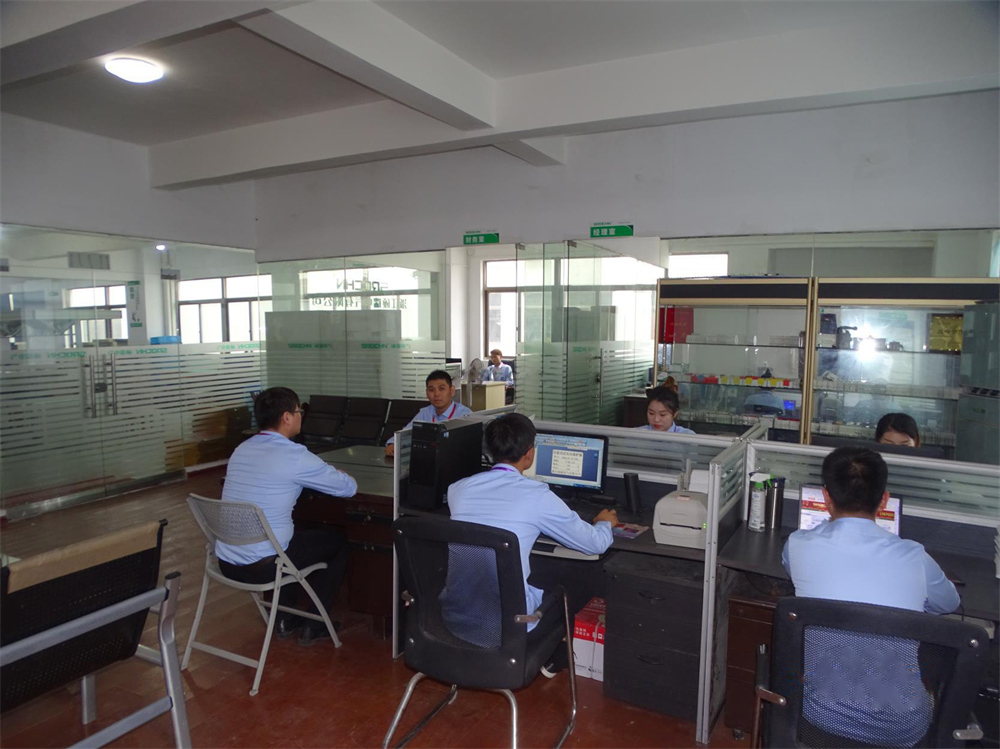
Transparency is the foundation of trust. We welcome our global partners to inspect our production environment, advanced machinery, and dedicated team through our media showcase below:


For international procurement managers, sourcing electrical components requires strict adherence to local regulatory frameworks and reliable logistics. Shuorui simplifies this process by offering fully certified products and flexible trade terms.
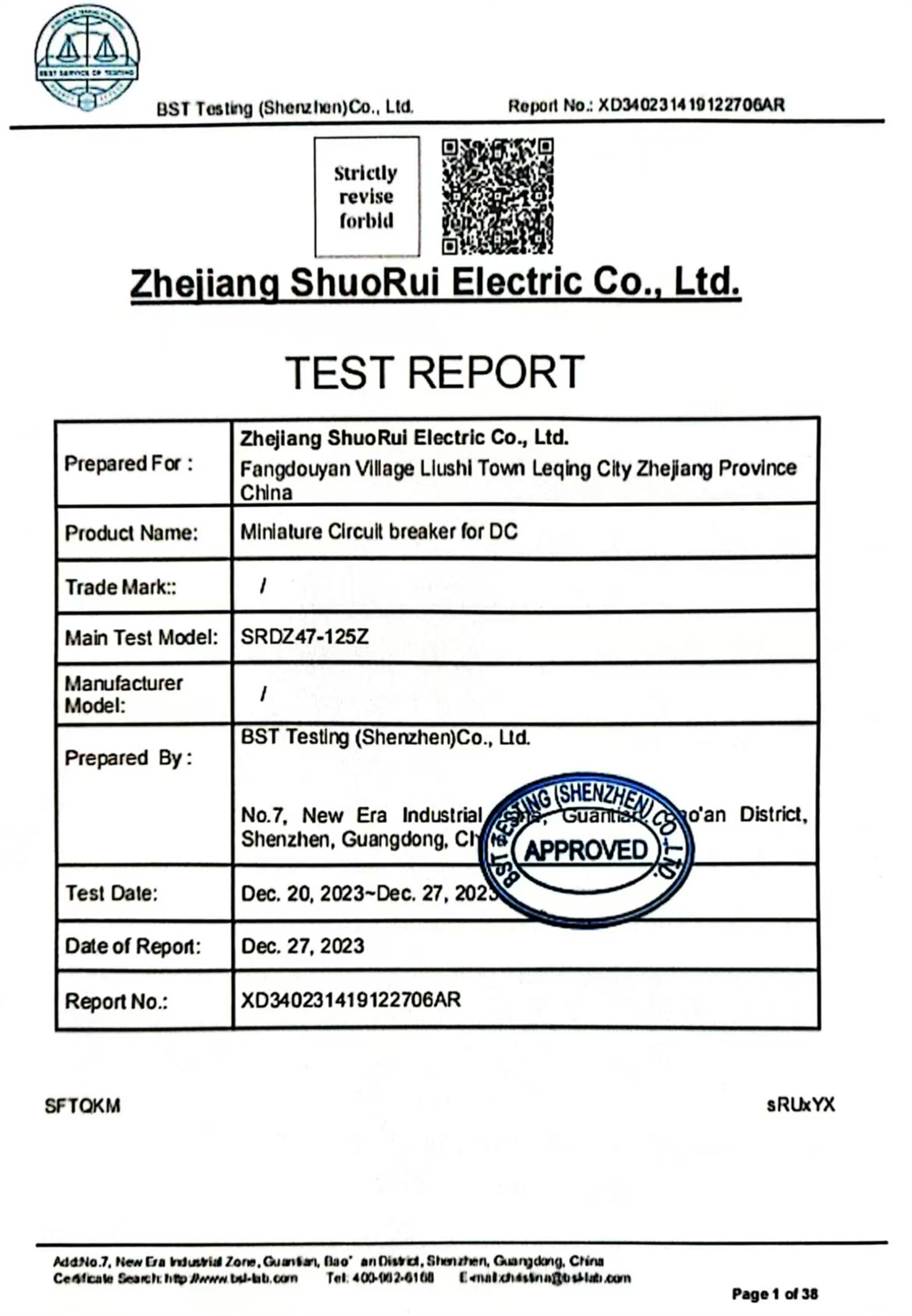
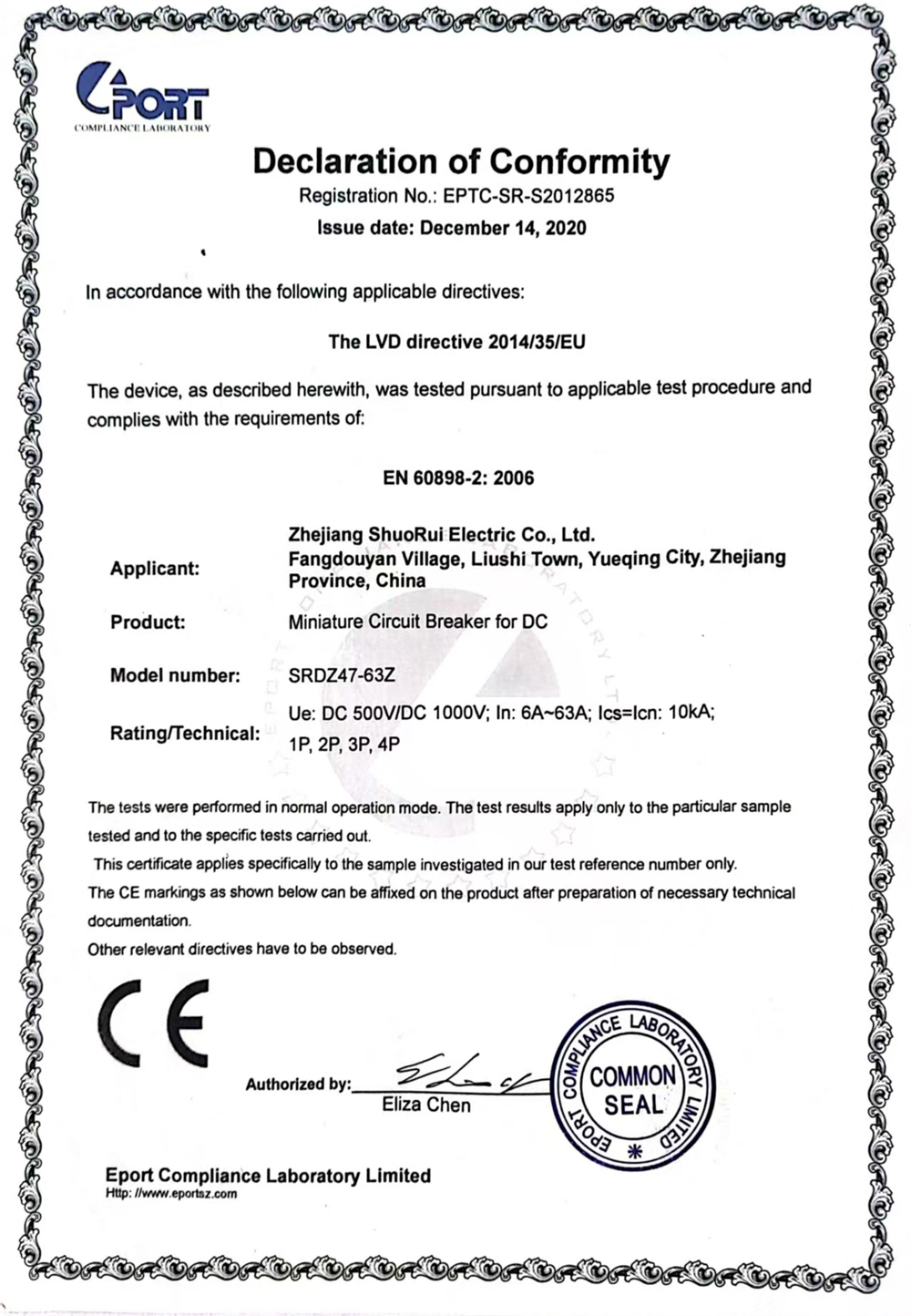
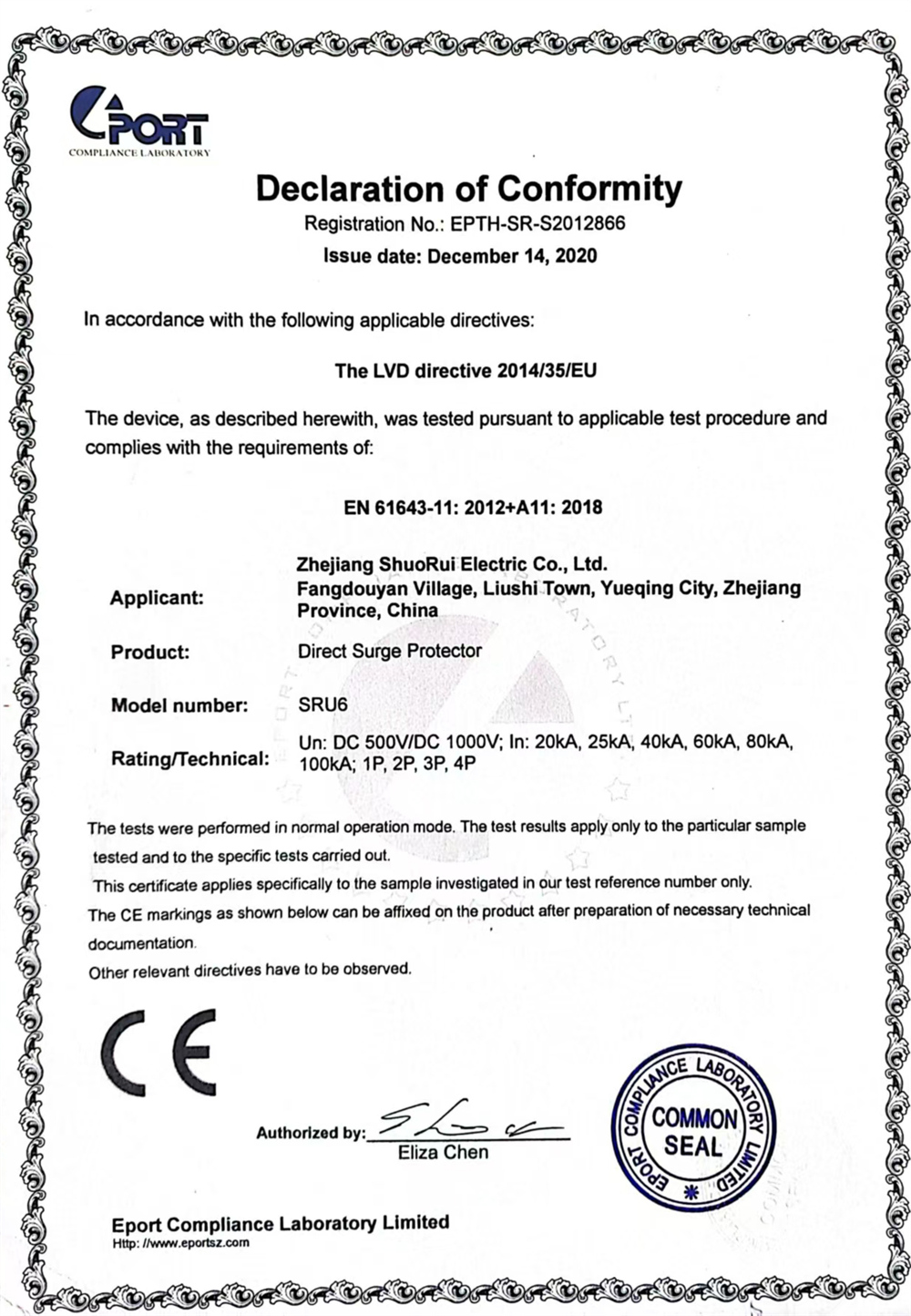
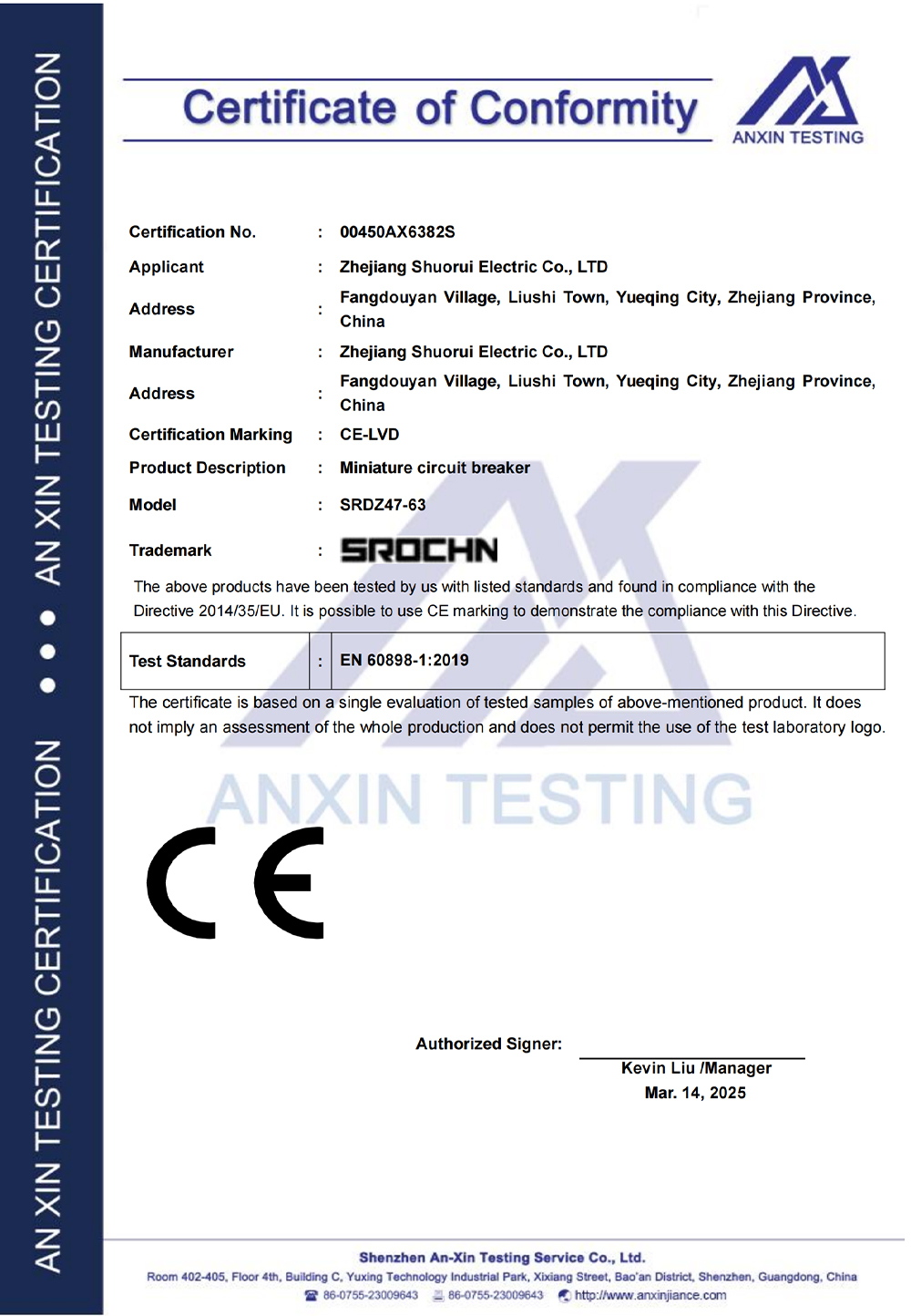
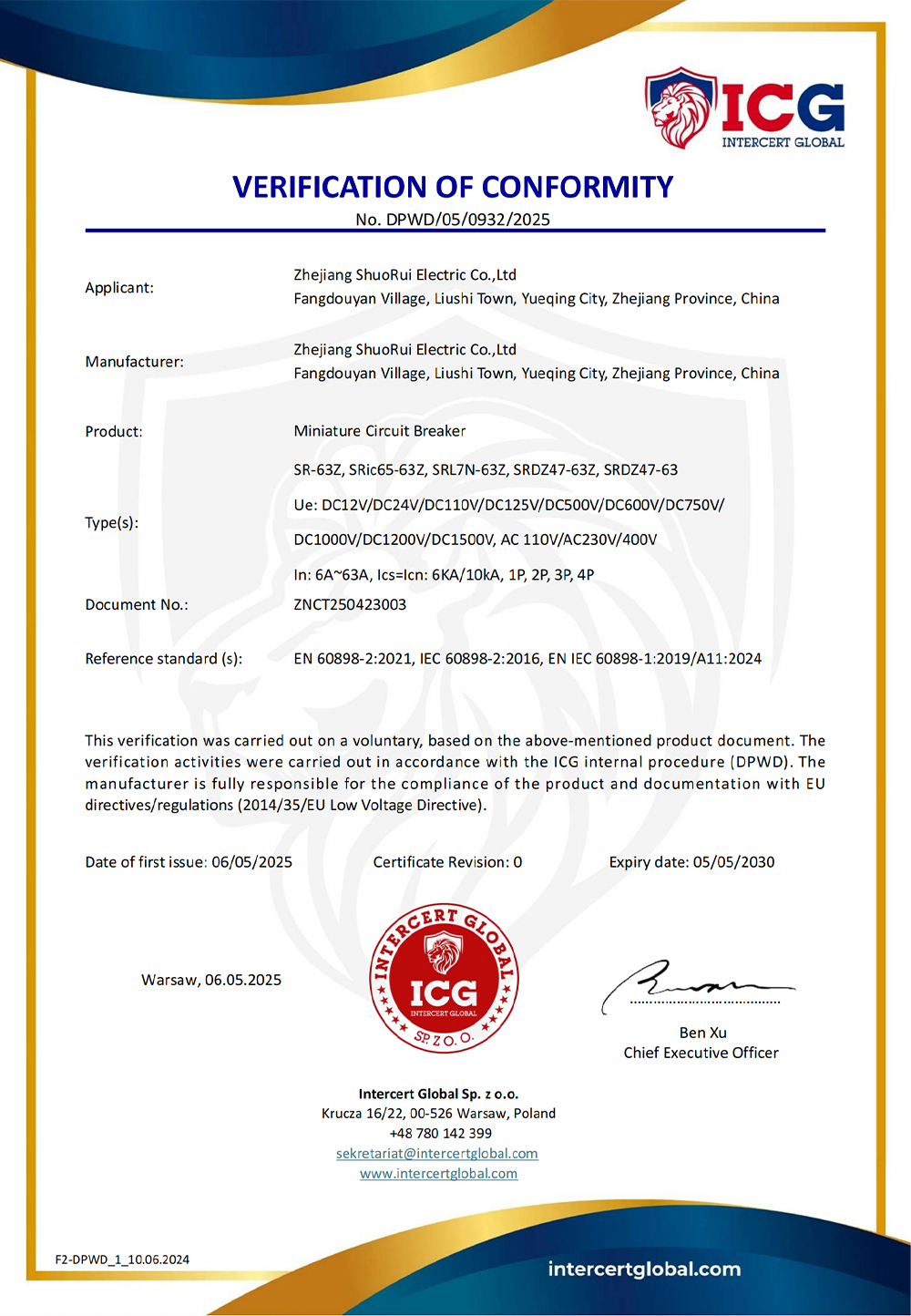
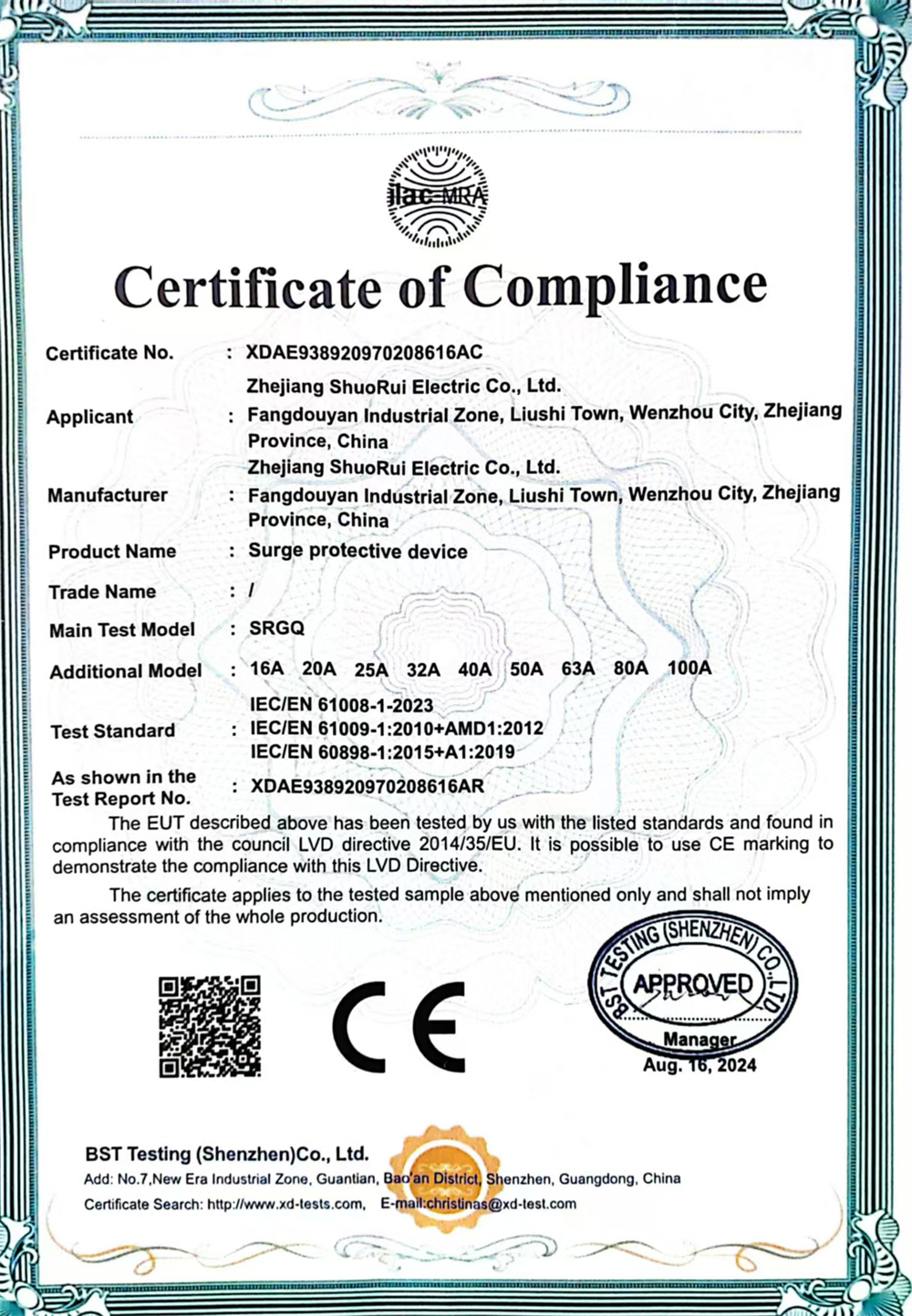
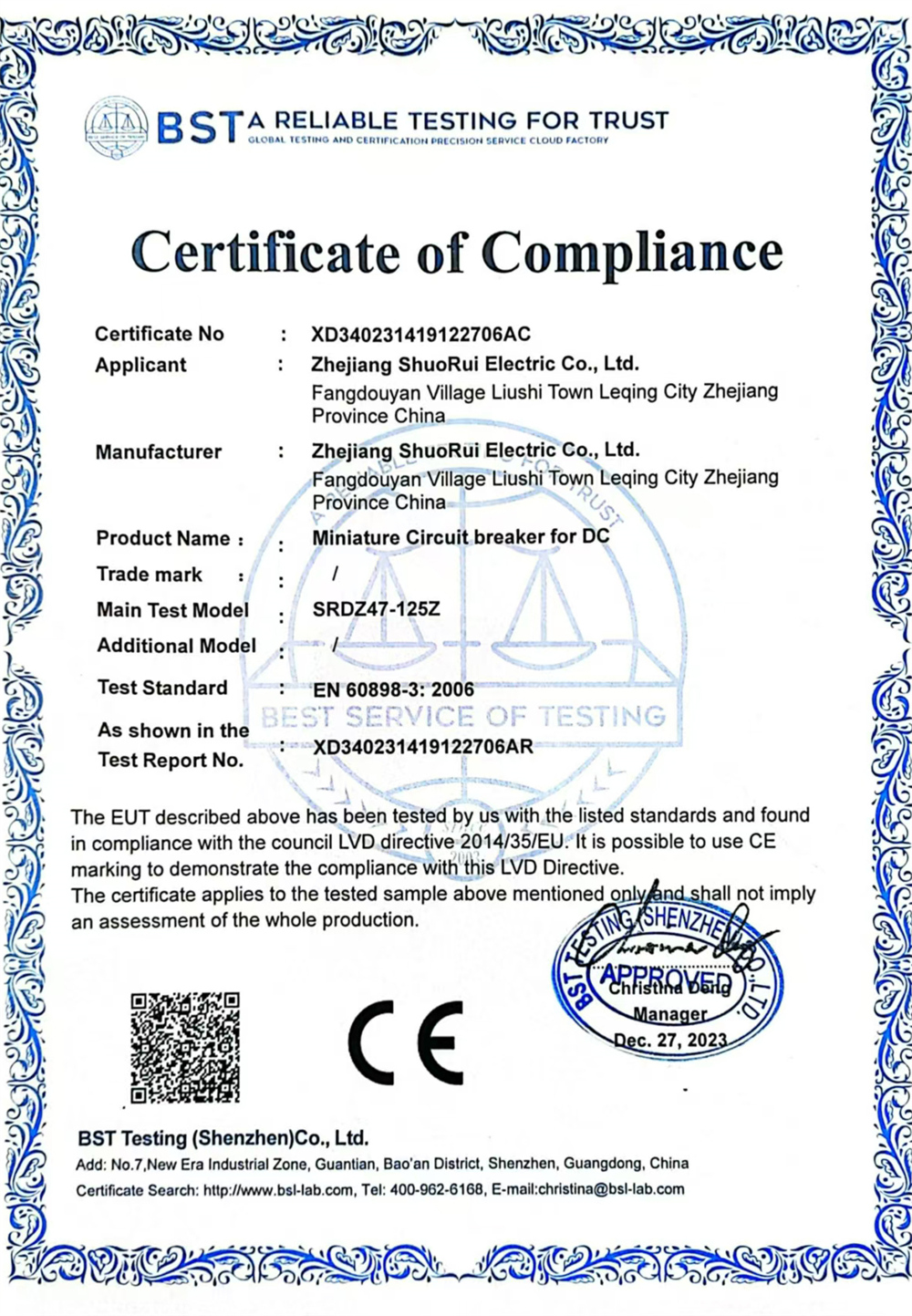
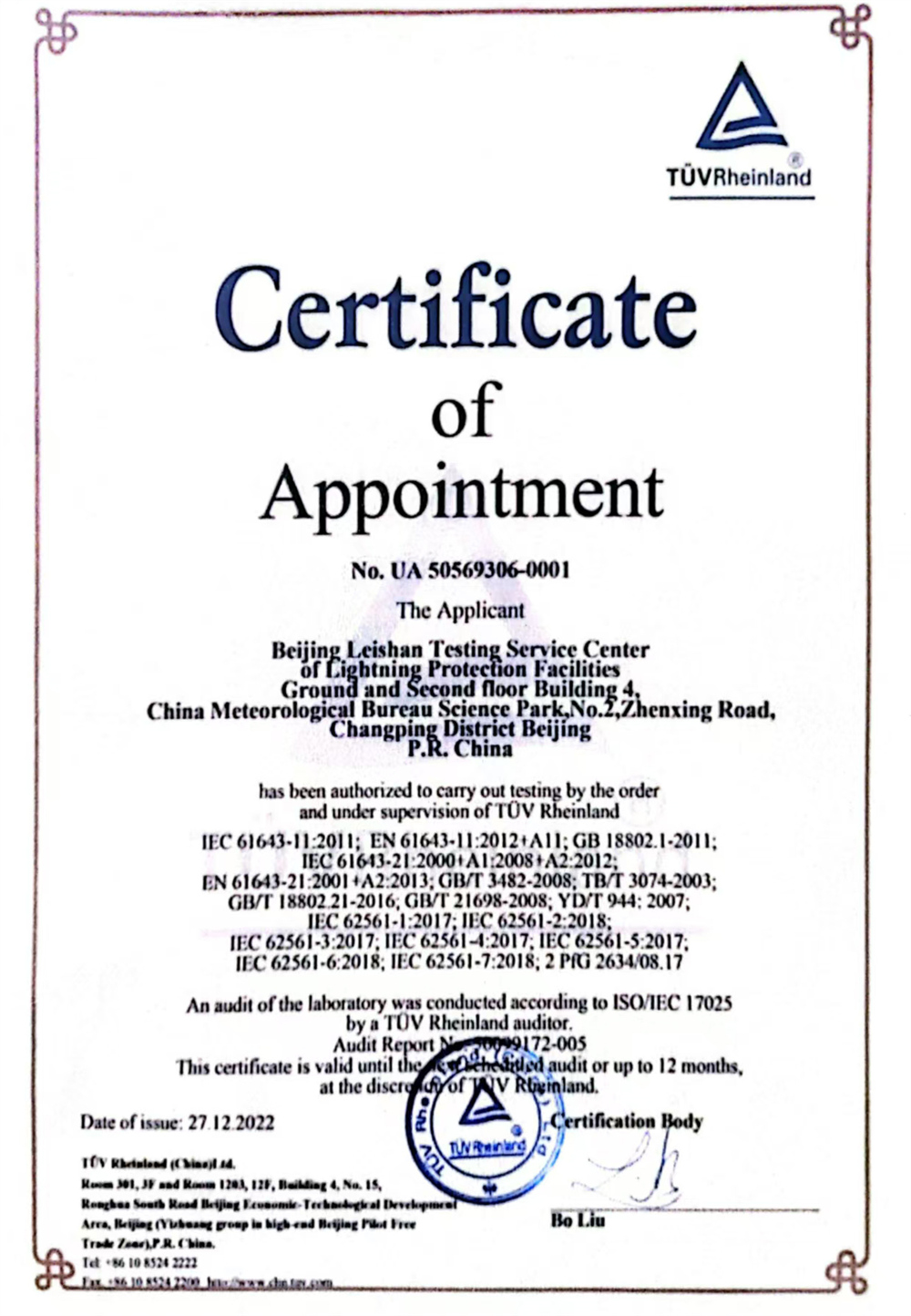
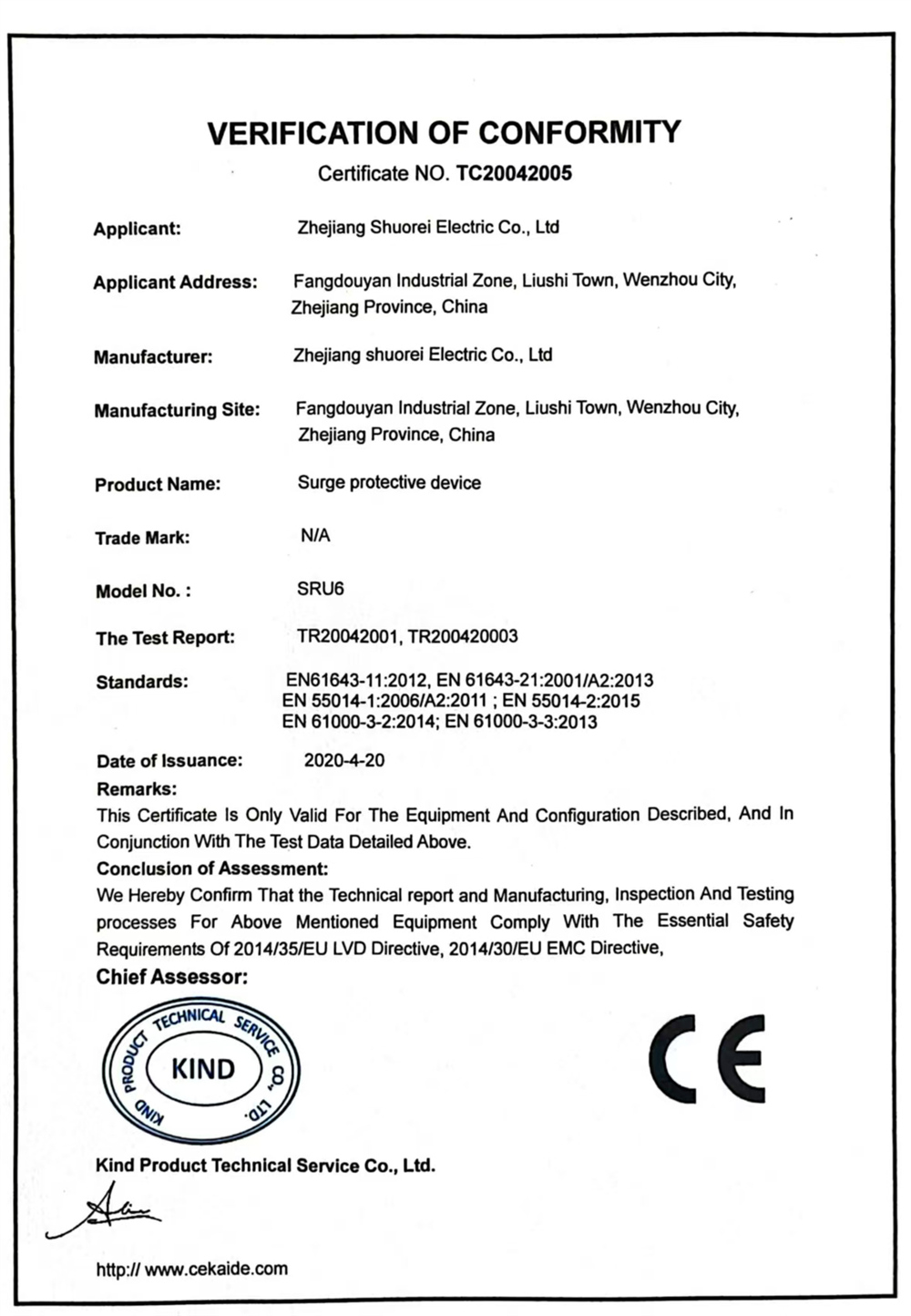
Our products are certified under CE, TUV, and RoHS. We strictly manufacture in compliance with IEC 61643-31 and EN 50539-11, ensuring smooth customs clearance and local utility approval in Europe, South America, and Asia-Pacific.
We support multiple payment methods including L/C, T/T, and Western Union. Our proximity to major shipping ports (Ningbo and Shanghai) guarantees optimized freight costs and reliable lead times for bulk container orders.
Every wholesale order is backed by our engineering team. We provide detailed wiring diagrams, thermal calculations, and selection guides to help your technical teams deploy our SPDs efficiently in any system configuration.
Get professional answers to the most common engineering and procurement questions regarding DC Surge Protective Devices.
Type 1 SPDs are designed to withstand direct lightning currents (characterized by a 10/350 µs waveform) and are typically installed at the main service entrance. Type 2 SPDs, such as our 20kA T2 models, protect against induced overvoltages and switching transients (characterized by an 8/20 µs waveform). They are installed downstream near sensitive equipment like inverters and distribution panels.
AC current naturally crosses zero volts 50 or 60 times per second, which helps extinguish any electrical arc that forms when a protection device triggers. DC current does not have a zero-crossing point, meaning once an arc starts, it is highly persistent and can lead to thermal runaway. This is why DC SPDs require specialized internal barriers, arc-extinguishing chambers, and rapid thermal disconnectors.
The $U_{cpv}$ of the SPD must be higher than the maximum open-circuit voltage ($V_{oc}$) of the photovoltaic string under the coldest local ambient temperatures. A common safety margin is to select a $U_{cpv}$ that is at least 1.2 times the nominal open-circuit voltage of the string to prevent premature degradation of the MOV modules.
Yes, absolutely. Operating from our advanced facility in Liushi, Wenzhou, we provide full OEM and ODM services. We can customize the housing color, print your brand logo, adjust the internal electrical parameters (such as custom voltage levels or remote signaling configurations), and design custom packaging to match your brand identity.
 Srochn