2026 Best Electromagnetic Contactors for Global Buyers?

Time:2026-09-13 Author:Ethan
0%

Global buyers entering 2026 face a practical question: which Electromagnetic Contactors deserve a place in demanding control panels? The answer depends on load type, switching frequency, ambient temperature, coil voltage, and service access. A compact contactor may look efficient on a clean factory floor. It may struggle beside dust, heat, vibration, or long cable runs.

The International Energy Agency’s Electricity 2024 report expects global electricity demand to grow by an average of 3.4% annually through 2026. That expansion supports wider investment in motors, HVAC systems, pumps, charging infrastructure, and automated production. MarketsandMarkets and Grand View Research also identify industrial automation, energy infrastructure, and electrification as major contactor-market drivers. Forecasts differ, though. A forecast is not a purchase order.

Industrial controls engineer Tony Kuphaldt defines a contactor as “an electrically controlled switch used for switching power circuits.” That simple description hides important selection risks. Buyers must compare utilization categories, AC-3 motor ratings, short-circuit coordination, coil consumption, mechanical endurance, and certification evidence. IEC 60947-4-1 remains a central reference for low-voltage contactors and motor starters. Regional requirements may still vary.

This 2026 guide examines leading manufacturers, technical specifications, lifecycle value, and global sourcing concerns. It also questions familiar assumptions. The cheapest unit may create expensive downtime. The highest-rated model may waste cabinet space. Reliable selection requires evidence, not impressive catalog language.
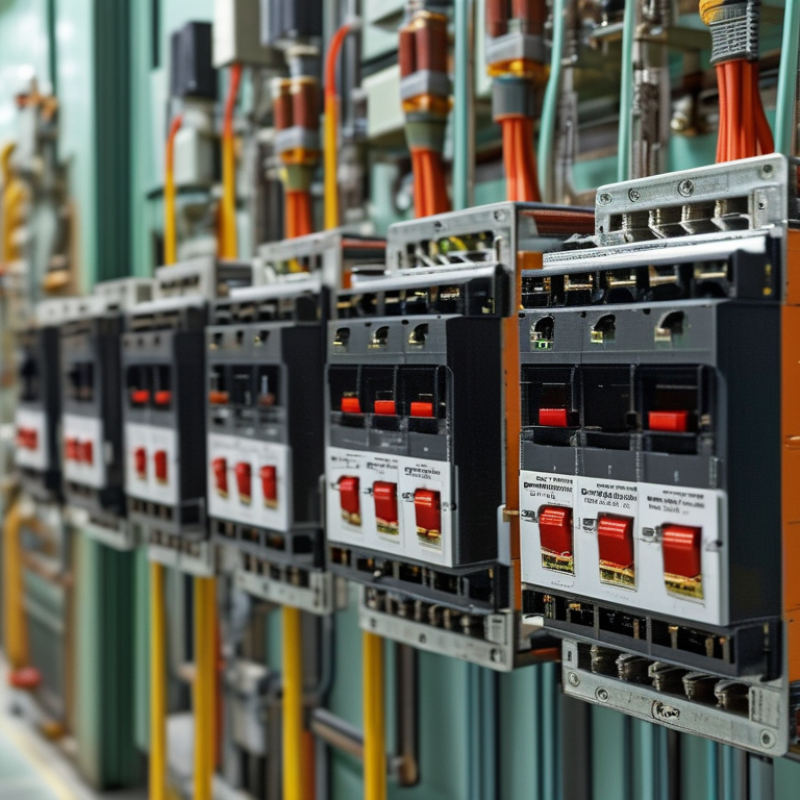
2026 Best Electromagnetic Contactors for Global Buyers?

What Are Electromagnetic Contactors and How Do They Work?

2026 Best Electromagnetic Contactors for Global Buyers?

What Are Electromagnetic Contactors and How Do They Work?

An electromagnetic contactor is an electrically controlled switch for frequent power switching. It commonly controls motors, heaters, pumps, and compressors. When control voltage reaches the coil, a magnetic field pulls the armature downward. The linked contacts then close the main circuit. Removing power releases the armature, and springs open the contacts. The process is fast, repeatable, and easy to automate.

The IEA reports that motor-driven systems consume about 46% of global electricity. This makes reliable switching important for industrial efficiency. IEC 60947-4-1 defines key requirements for contactors and motor starters, including utilization categories and endurance testing. Buyers should check AC-3 ratings for squirrel-cage motors, not only the advertised current. Starting current can be several times higher than running current. A contactor alone does not protect against overloads. It normally works with a compatible overload relay, fuse, or circuit breaker. That distinction is often missed.

Tips: Match the coil voltage with the control system. Confirm frequency, ambient temperature, altitude, terminal spacing, and auxiliary contact needs. For global projects, verify certification documents and test conditions. I also inspect contact wear after repeated starts, because catalog figures cannot show every field problem. Dust, vibration, and loose wiring can shorten service life. A larger model is not automatically safer; poor coordination can still cause overheating. Check the actual motor duty cycle before choosing.

2026 Best Electromagnetic Contactors for Global Buyers

What are electromagnetic contactors and how do they work? An electromagnetic contactor is an electrically controlled switching device used to connect or disconnect power loads such as motors, heaters, and lighting systems. When voltage is applied to the coil, it creates a magnetic field that pulls the armature closed and changes the main contacts. Removing coil power allows the spring mechanism to open the contacts.

Chart interpretation: The bars show the estimated full-load current of common three-phase motors operating at 400 V, assuming a power factor of 0.85 and efficiency of 90%. Actual current varies by motor design and operating conditions. For reliable global selection, buyers should compare the motor current with the contactor’s AC-3 rating, operating voltage, utilization category, coil voltage, duty cycle, and short-circuit protection requirements.

Which Key Specifications Matter for Global Contactor Buyers?

Global buyers should judge electromagnetic contactors by application fit, not catalog appearance. The rated operational current must match the motor’s real load, starting duty, and switching frequency. Check the utilization category, especially AC-3 for motor starting and stopping. AC-4 demands more careful selection because inching and plugging create higher electrical stress. Small details matter.

Coil voltage and frequency must suit the control circuit. A 24 V DC coil cannot replace a 24 V AC coil without verification. Confirm the number of poles, auxiliary contacts, terminal layout, and mounting method before ordering. Short-circuit coordination is also important. Ask for documented ratings, test conditions, and service-life data under comparable loads. Reliable suppliers should provide clear technical drawings, material information, and applicable conformity documents. Standards such as IEC 60947-4-1 can support comparison, but local requirements still need review.

Tips: Check the worst operating case, not the average one. Consider ambient temperature, altitude, enclosure ventilation, and cable size. A contactor rated for 40°C may behave differently inside a hot cabinet. Review mechanical and electrical endurance separately. They are not the same. In practical panel evaluations, buyers sometimes focus on current rating and overlook coil inrush or auxiliary-contact capacity. That mistake can delay commissioning. A lower unit price may also become expensive after repeated failures, spare-part delays, or difficult field replacement. Recheck the assumptions before approving the purchase.

How to Compare the Best Electromagnetic Contactors in 2026

Choosing the best electromagnetic contactor in 2026 requires more than comparing purchase prices. Start with the motor’s rated current, starting method, load category, and switching frequency. A contactor rated for AC-3 motor duty may perform poorly in capacitor or heating applications. Check the coil voltage carefully. A 24 V DC control circuit needs a compatible coil, not a convenient substitute.

Compare the number of poles, auxiliary contacts, electrical life, mechanical life, and short-circuit coordination. For global buyers, published IEC or UL test information can improve confidence, but certificates should match the exact model and configuration. Inspect terminal markings, enclosure protection, operating temperature, and installation clearance. Small details matter. A loose terminal can create heat, noise, and early failure.

I would also request samples or test data before placing a large order. Measure coil pickup, release behavior, contact bounce, and temperature rise under a realistic load. Catalog ratings rarely show the whole story. No checklist is perfect. I still treat impressive service-life claims cautiously when testing conditions are unclear. Compare warranty terms, spare-part access, technical drawings, and response times, especially when equipment will operate far from the supplier. The strongest choice balances verified performance, safe integration, and maintainable design rather than the lowest initial cost.

What Certifications and Standards Apply to International Markets?

2026 Best Electromagnetic Contactors for Global Buyers?

For international buyers, certification is not a decorative mark. It shows how an electromagnetic contactor was tested, rated, and controlled. IEC 60947-4-1 is a key reference for low-voltage contactors and motor starters. Check the AC-3 utilization category, rated operational current, coil voltage, and switching frequency. These details matter more than a simple catalog headline.

Market access also depends on destination rules. CE marking may apply in the European Economic Area, while UKCA can be relevant for Great Britain. UL or CSA requirements may matter in North America. RoHS controls restricted substances, but it does not replace electrical safety testing. Ask for current certificates, test reports, declarations of conformity, and the exact model number. A copied certificate is not enough. I have seen purchasing teams overlook coil frequency, then face overheating during installation. That mistake deserves more attention.

Tips: Match the contactor with the motor’s voltage, starting current, enclosure, and short-circuit protection. Confirm whether the product is rated for 50 Hz, 60 Hz, or both. Check local language labels and traceable batch records. Do not rely only on a supplier’s logo or product page. Independent verification is slower, but usually cheaper than a failed inspection. Some specifications remain unclear until testing begins, so leave room for technical review.

How to Select, Source, and Maintain Contactors Worldwide?

2026 Best Electromagnetic Contactors for Global Buyers?

How to Select, Source, and Maintain Contactors Worldwide?

Selecting a contactor starts with the load, not the catalogue price. Check the motor’s AC-3 current, starting frequency, coil voltage, and control-system compatibility. IEC 60947-4-1 remains a practical reference for low-voltage contactor performance. Ambient temperature matters. A panel beside a furnace needs more thermal margin than a clean indoor cabinet.

The U.S. Department of Energy’s Motor Systems Market Assessment estimates that motor systems consume about 68% of industrial electricity. Small switching losses can therefore become expensive across thousands of operating hours. Specify silver-alloy contacts, suitable utilization categories, and clearly documented electrical endurance. In field inspections, loose terminals and incorrect coil voltages appear more often than dramatic component failures. That is an uncomfortable finding.

Global sourcing requires more than comparing unit prices. UNCTAD reports that maritime shipping carries over 80% of world merchandise trade by volume. Ask suppliers for test records, origin documents, replacement-coil availability, and realistic delivery terms. Keep critical spares in the destination country when downtime costs exceed freight savings. Check samples before approving large orders. A sealed package is not proof of quality. Maintenance teams should inspect contact wear, measure coil resistance, retighten terminals safely, and record switching cycles. Preventive intervals must reflect dust, humidity, vibration, and actual duty. Some schedules are simply copied from manuals and never challenged.

FAQS

What is an electromagnetic contactor?

It is an electrically controlled switch for frequent power switching. It commonly controls motors, heaters, pumps, and compressors.

How does an electromagnetic contactor work?

Control voltage energizes the coil and creates a magnetic field. The armature moves, closing the main contacts. When power stops, springs open them.

Does a contactor protect a motor from overload?

No. A contactor switches power but normally does not provide overload protection. Use a compatible overload relay, fuse, or circuit breaker.

How should I choose the correct contactor rating?

Check the motor’s rated current, starting method, load category, and switching frequency. Confirm the AC-3 rating for squirrel-cage motors.

Why is coil voltage important?

The coil voltage must match the control system. A 24 V DC circuit needs a compatible 24 V DC coil. A convenient substitute may fail.

Which details should global buyers verify?

Confirm frequency, temperature range, altitude, terminal spacing, auxiliary contacts, and enclosure protection. Request certification documents for the exact model.

What physical problems can shorten contactor life?

Dust, vibration, loose wiring, and frequent starts can increase wear. A loose terminal may cause heat, noise, and early failure.

Should I choose the largest available contactor?

Not automatically. A larger model may still overheat with poor coordination. Check the real motor duty cycle and installation conditions.

What should I test before a large purchase?

Request samples or test data first. Measure coil pickup, release behavior, contact bounce, and temperature rise under realistic load.

How can I judge service-life claims?

Compare electrical life, mechanical life, warranty terms, spare-part access, and test conditions. Impressive figures can mislead when testing details are unclear.

Conclusion

This guide explains what Electromagnetic Contactors are, how their coils and switching mechanisms control electrical loads, and why they are essential in industrial, commercial, and infrastructure applications. It highlights the key specifications global buyers should evaluate, including rated voltage, current capacity, utilization category, coil voltage, switching frequency, electrical and mechanical endurance, environmental protection, and compatibility with control systems.

The article also presents a practical method for comparing contactors in 2026 by balancing performance, safety, durability, energy efficiency, availability, and total operating cost. It reviews the importance of international certifications and applicable standards, helping buyers confirm product suitability for different markets. Finally, it provides guidance on selecting reliable suppliers, checking technical documentation, managing international sourcing, ensuring proper installation, and maintaining contactors through inspection, cleaning, testing, and timely replacement. These steps can help organizations reduce downtime, improve operational safety, and achieve dependable long-term electrical control.


Ethan

Ethan

Ethan is a seasoned marketing professional with a deep expertise in our company's innovative product line. With a passion for sharing knowledge and insights, he takes the lead in regularly updating our corporate blog, where he explores industry trends, product features, and effective marketing......